Holger:
Please don’t rush over this page!
Take your time; there is not “more” information you need in order to wake up from person to Presence than to bravely, playfully, earnestly follow Magdi’s pointers.
Learn/risk to ask freedom questions, not knowledge questions.
Together it’s more fun, alone we cannot see our own biases.
NotebookLM.Google.com (artificial intelligence) listened to Magdi’s Satsang from May 7th 2026:
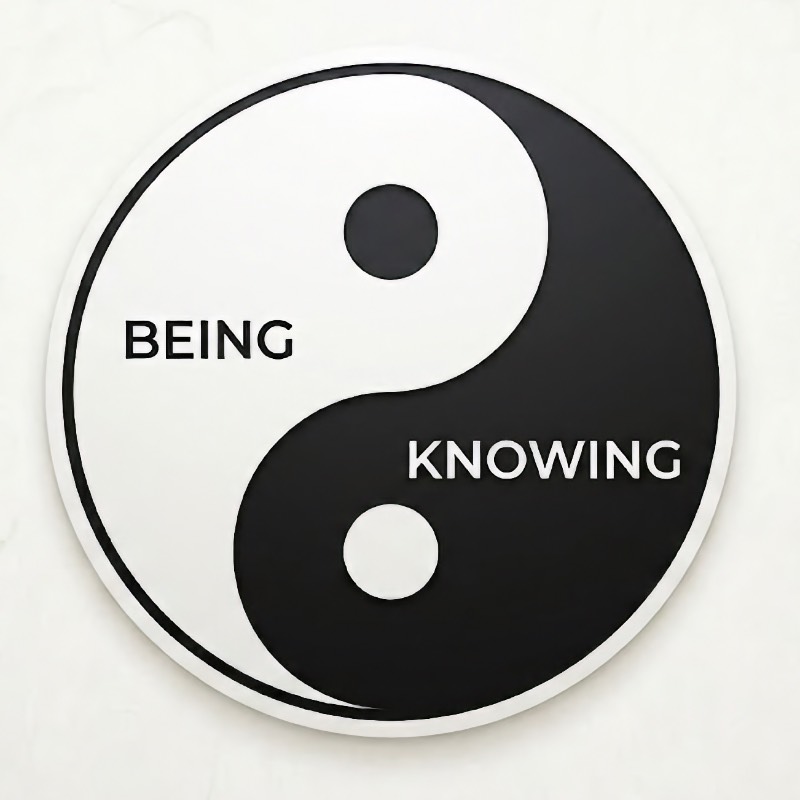
Magdi explains the relationship between knowing and being as a fundamental unity where the two are ultimately one and the same. He states clearly that “there is no being without knowing or knowing without being”.
According to the sources, this relationship can be understood through the following key points:
1. Identity and Equivalence
Magdi equates being with reality and knowing with awareness. Because they are one, he summarizes the relationship with two core statements:
- Reality is aware.
- Awareness is real.
He uses the terms awareness, reality, and being interchangeably to describe the “changeless” aspect of our experience that remains the same regardless of physical changes, such as the body aging from ten to forty years old.
2. The Requirement of Recognition
Magdi notes that while being is the ultimate source, awareness is necessary to acknowledge it: “in order to Recognize being, awareness is required”. He describes the experience of “Being recognizing itself” as the “crystalline,” “formless,” and “transparent” aspect of consciousness that shines upon itself without needing any external objects or manifestations. This self-awareness—awareness being aware within itself—is sometimes referred to by the term sat-chit-ananda.
3. Consciousness as the Ultimate Source
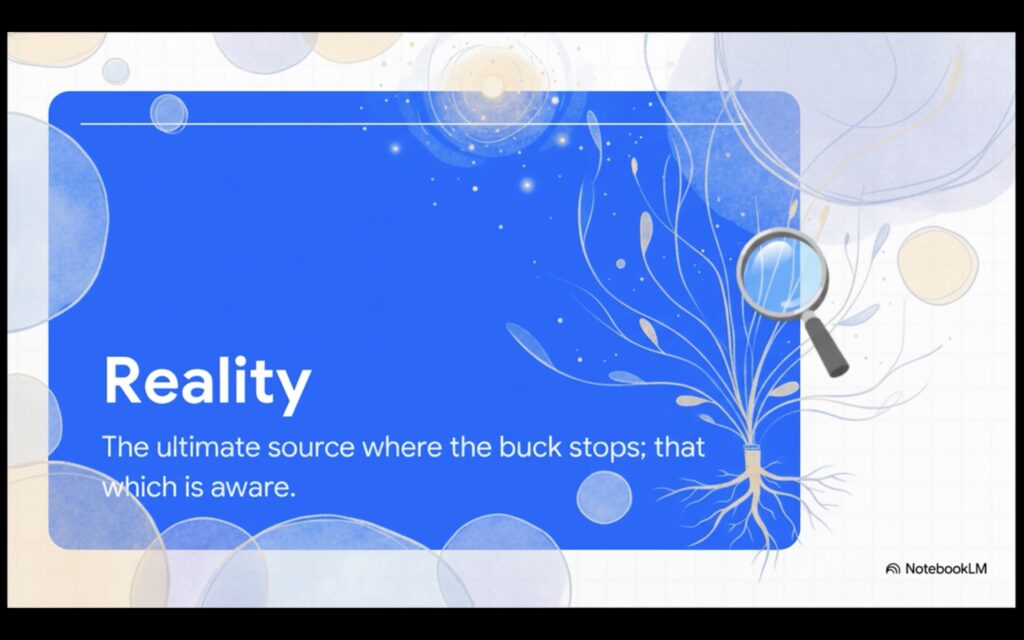
In Magdi’s explanation, this unity of being and knowing is where “the buck stops”. He argues that:
- There is nothing prior to or beyond awareness/being in our direct experience.
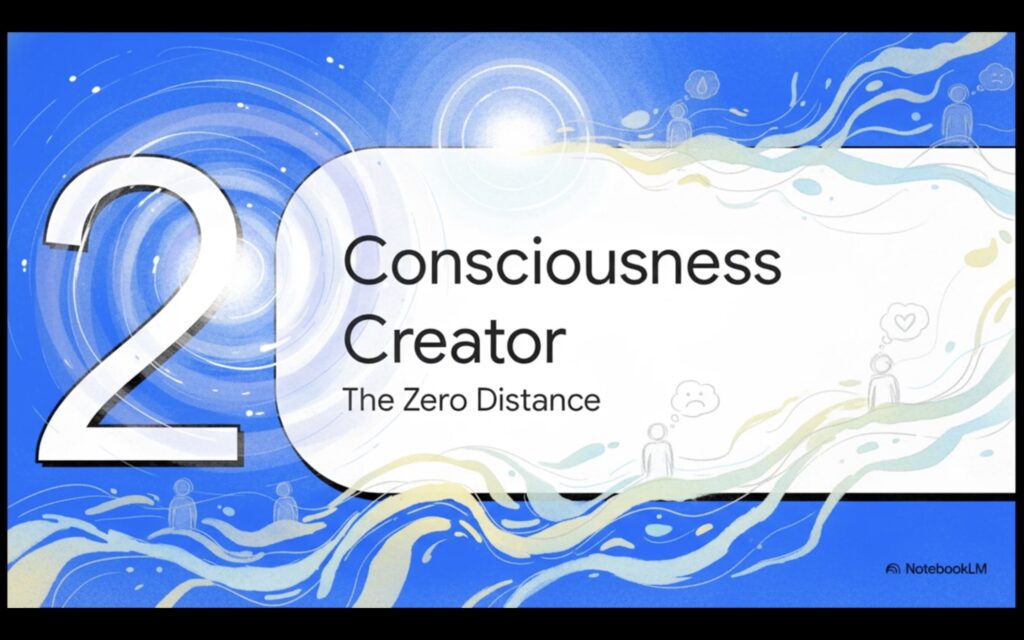
- Because being and knowing are at “zero distance” from one another, they are outside of time.
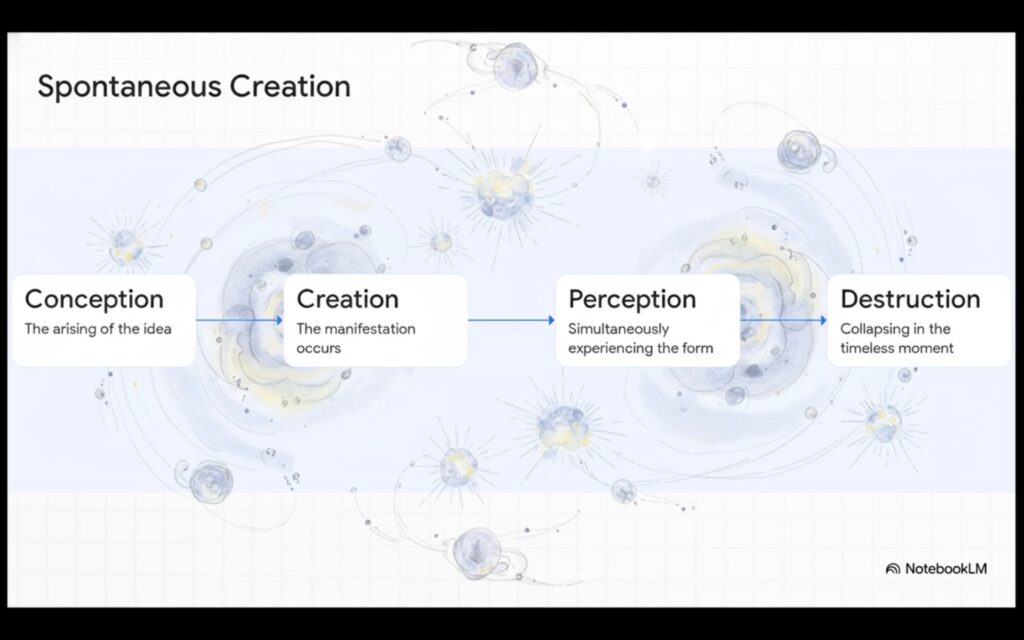
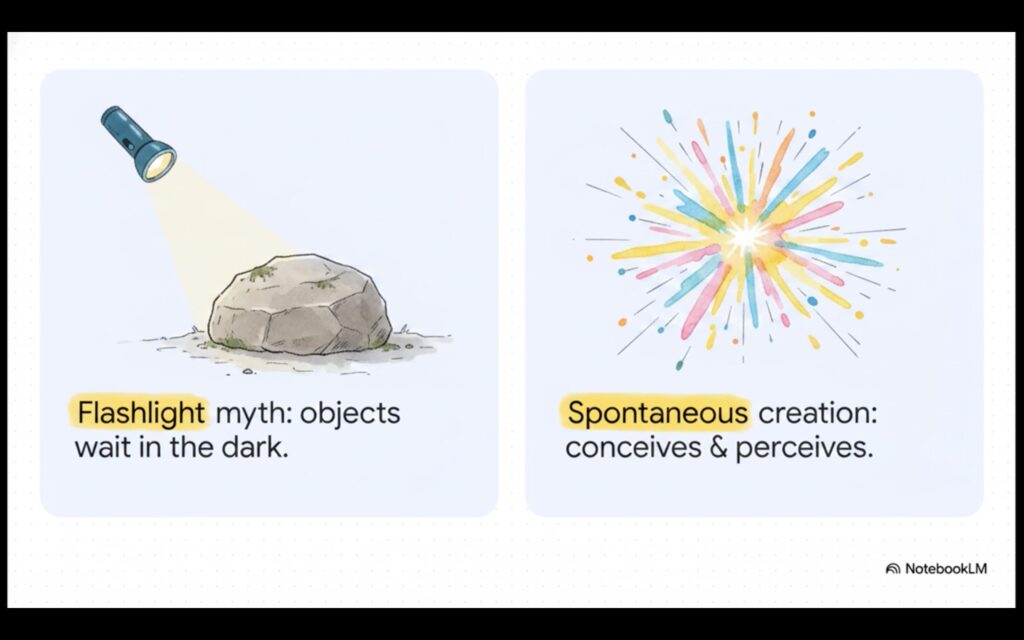
- This single reality (the union of being and knowing) simultaneously conceives, creates, perceives, and destroys manifestation in a spontaneous, timeless “Big Bang” of the moment.
Ultimately, Magdi suggests that we are “deeply, deeply, deeply rooted in the absolute,” which is this very presence of being that knows it is.
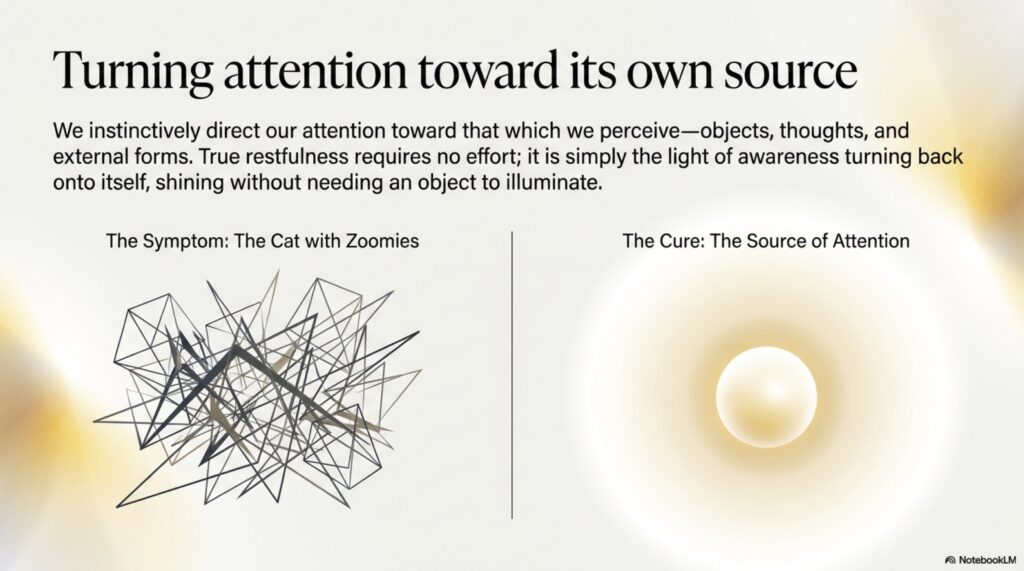
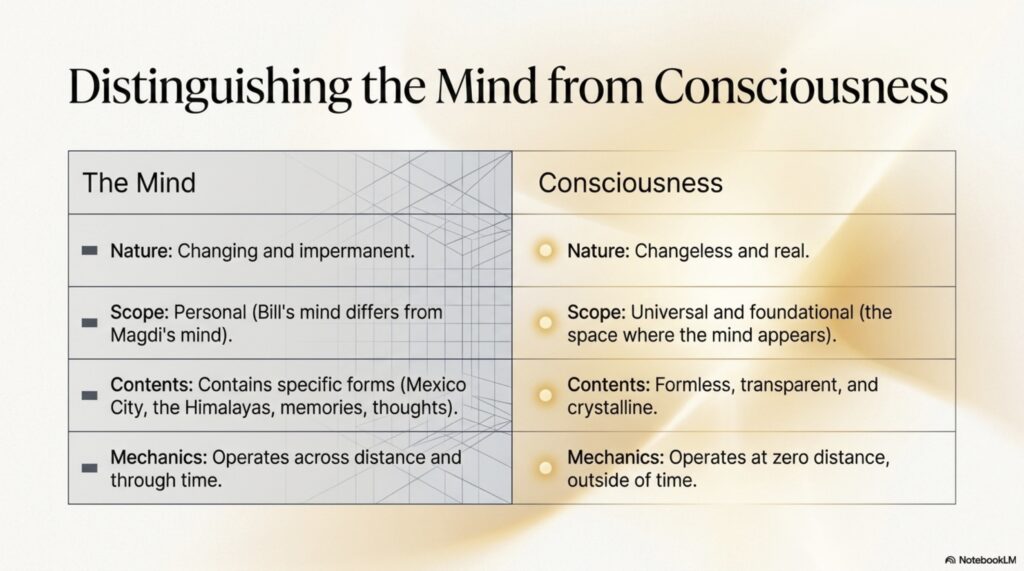
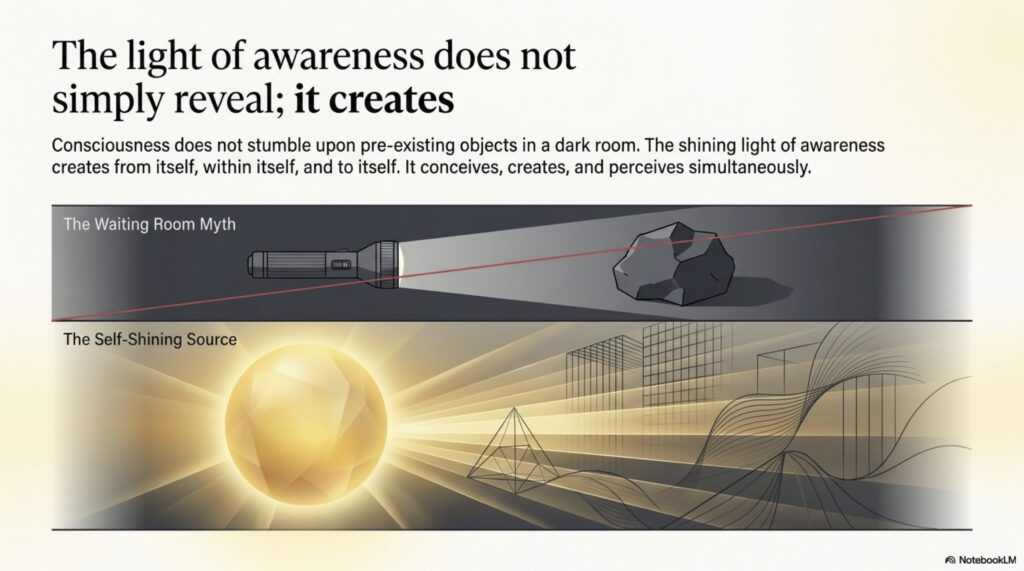
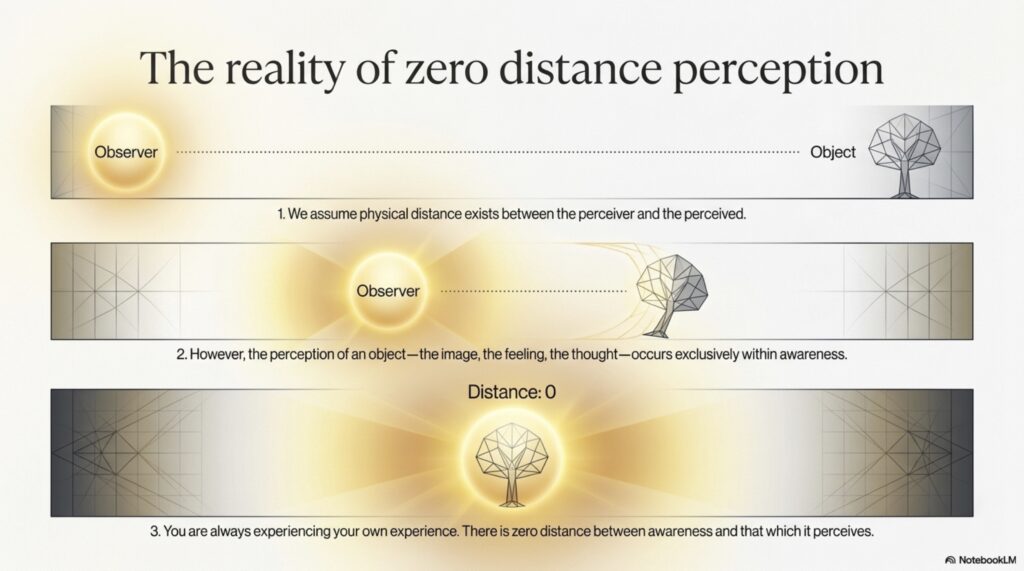
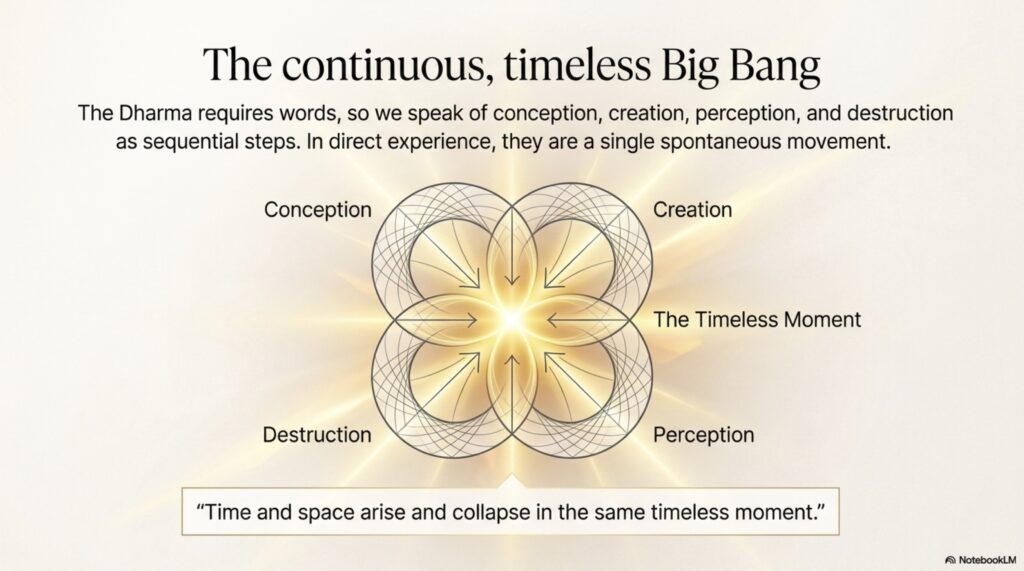
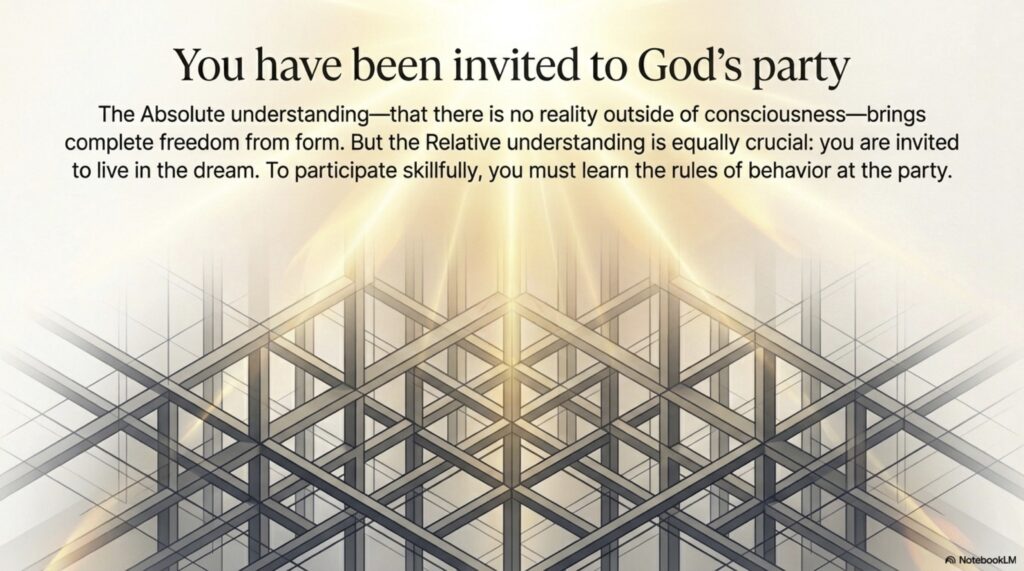
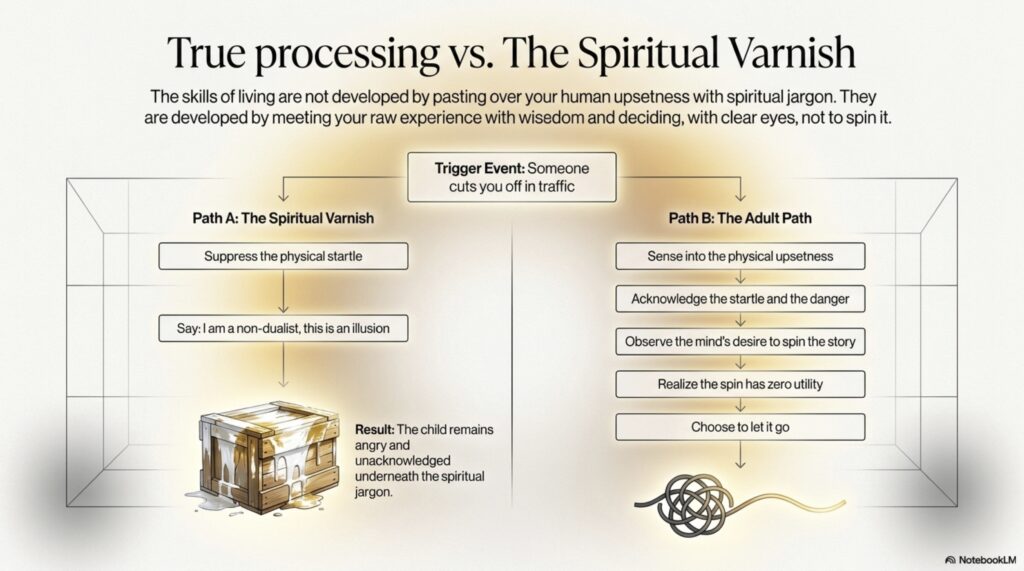
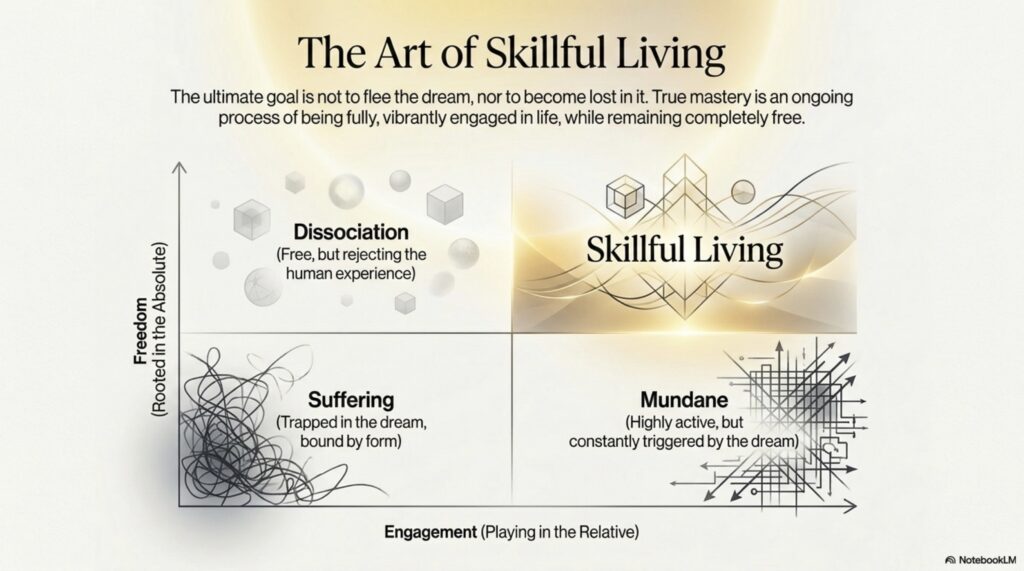
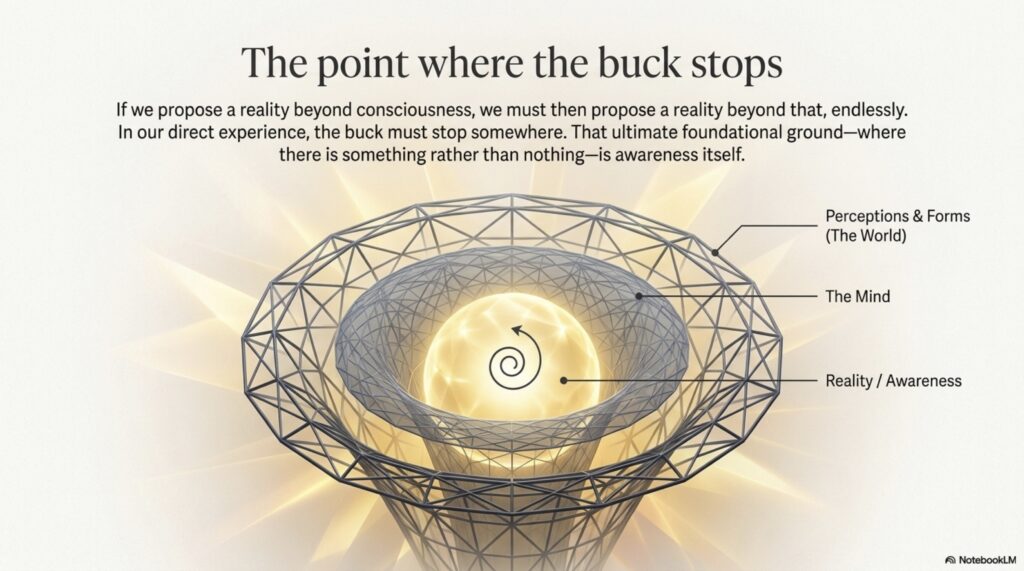
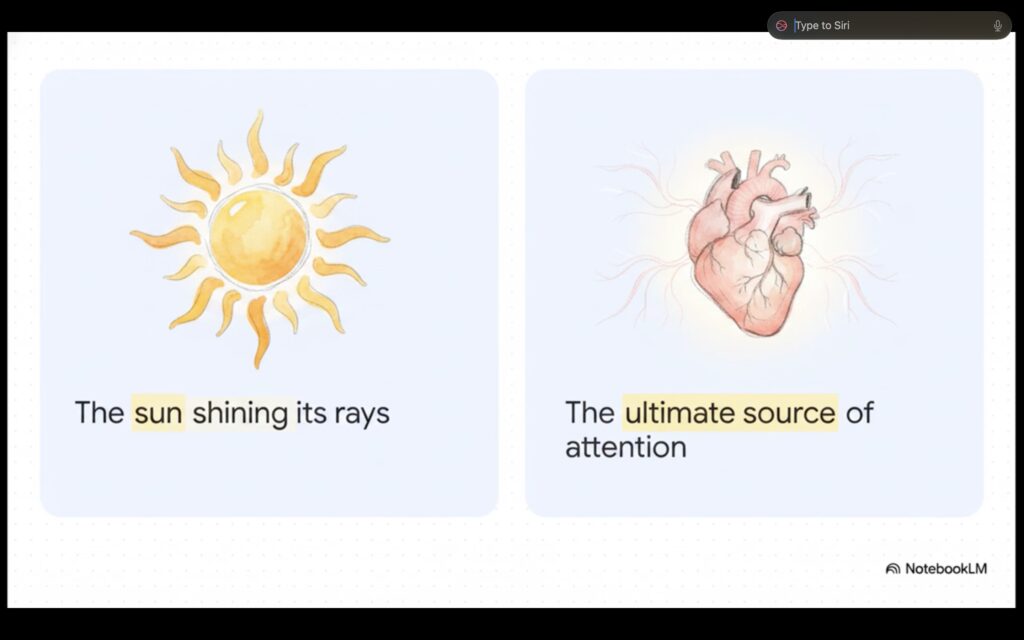
An infographic, created by notebookLM.google.com, based on Magdi’s Satsang from May 7th 2026:
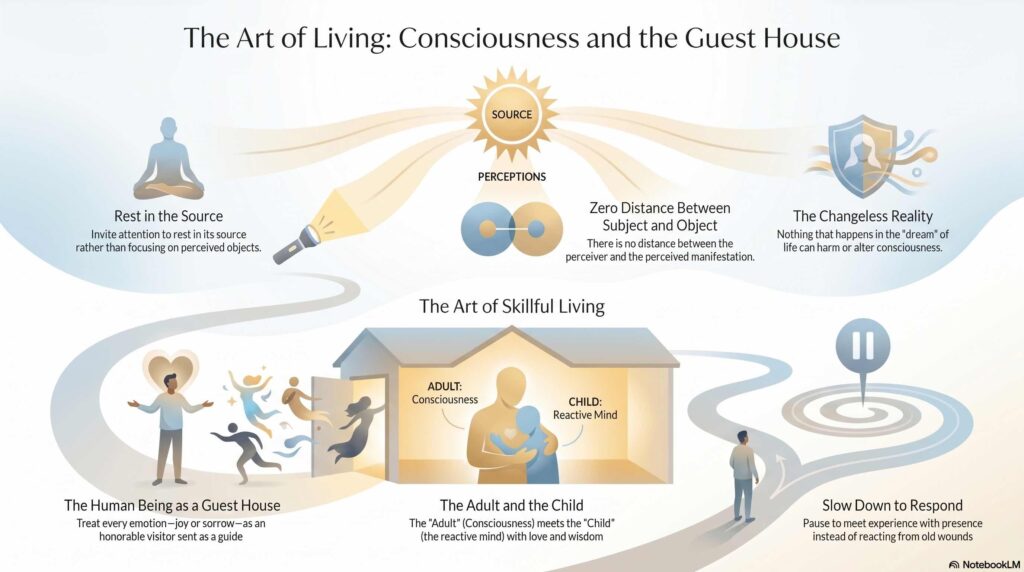
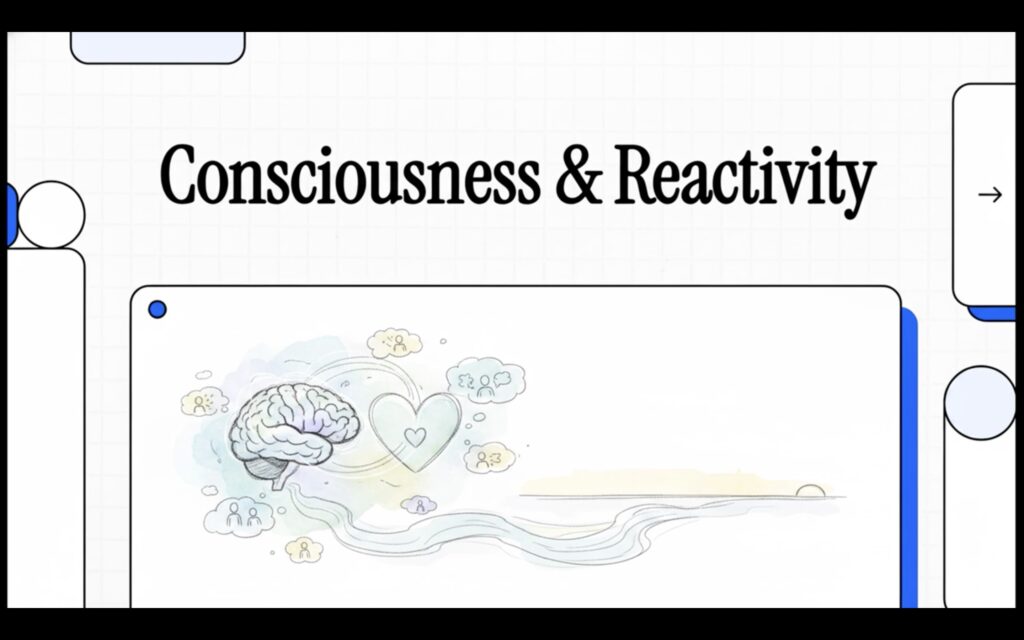
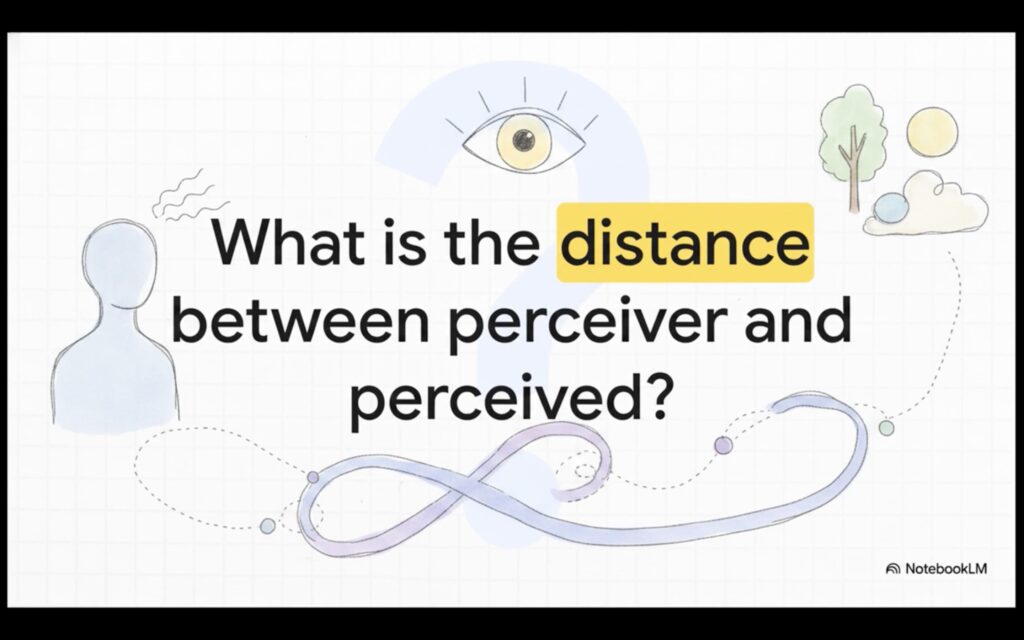
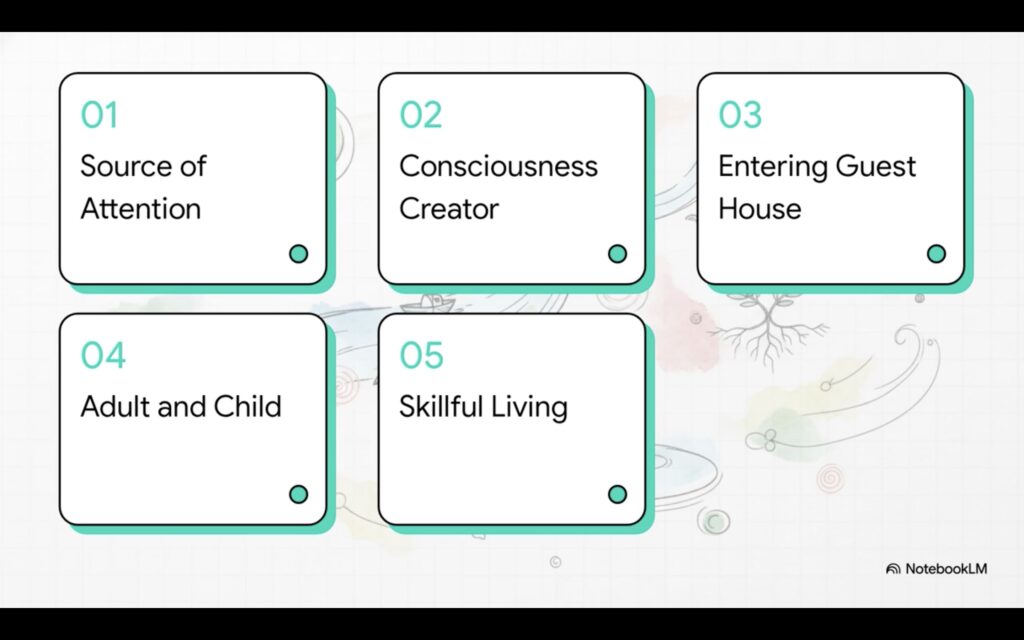
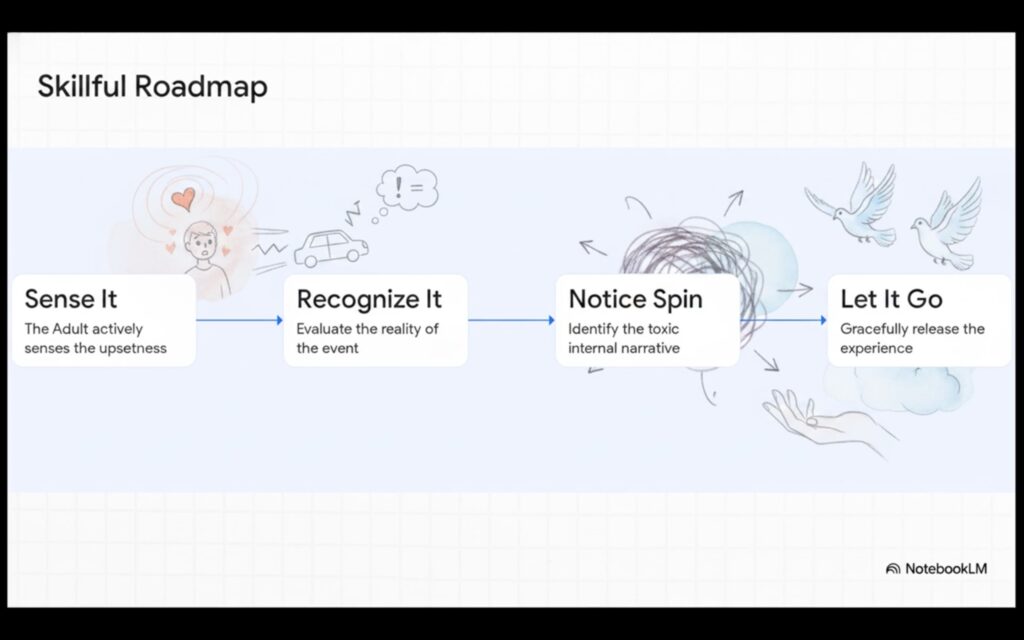
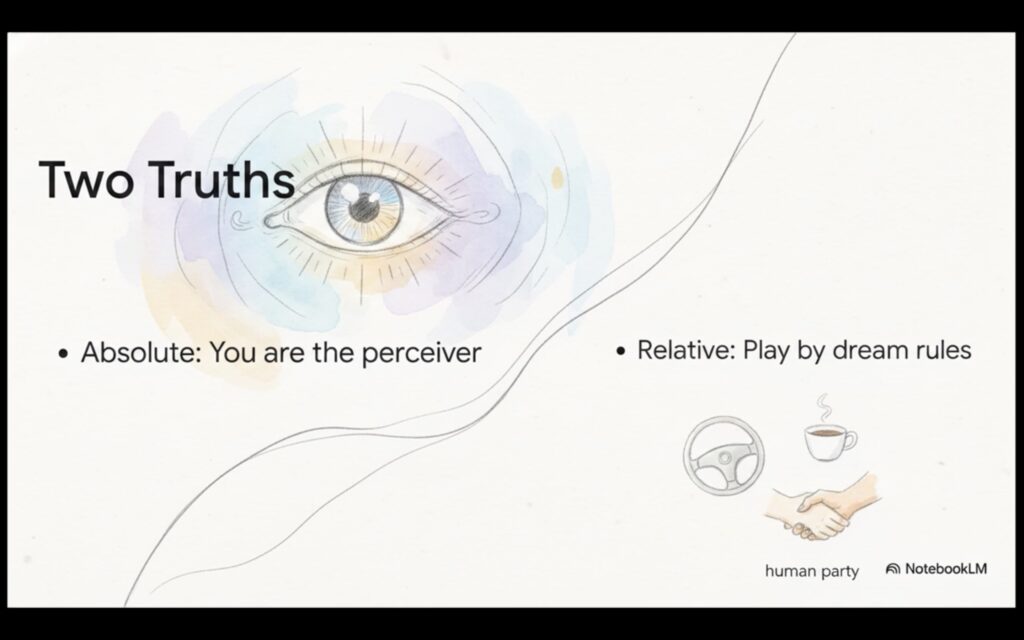
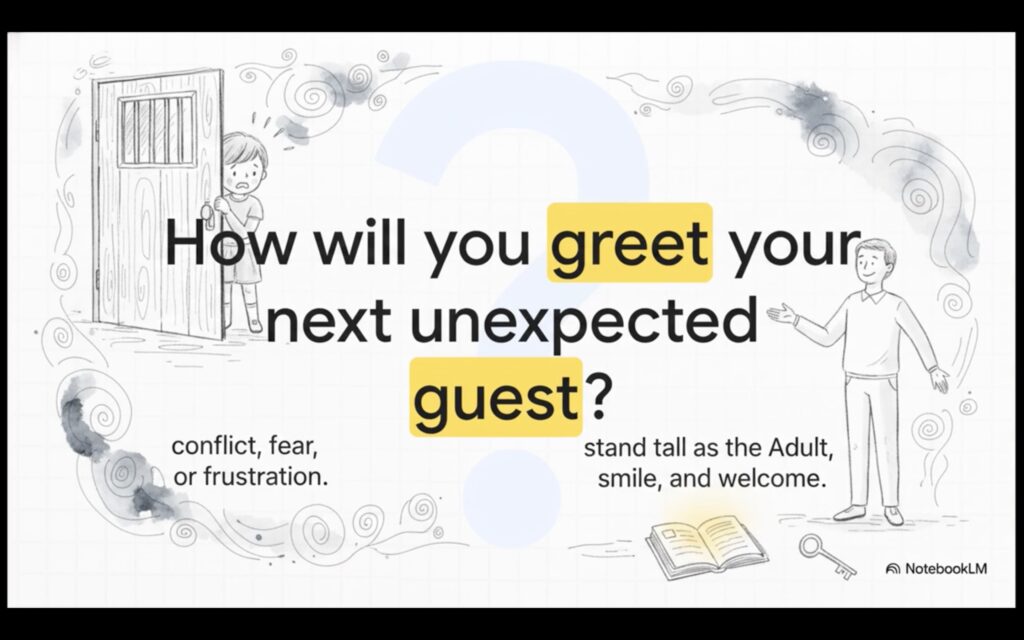

notebookLM.google.com analyzing the above explainer:
… the key concepts that define the relationship between consciousness and reactivity as discussed in the sources, I can describe the primary “scenes” or stages of this understanding:
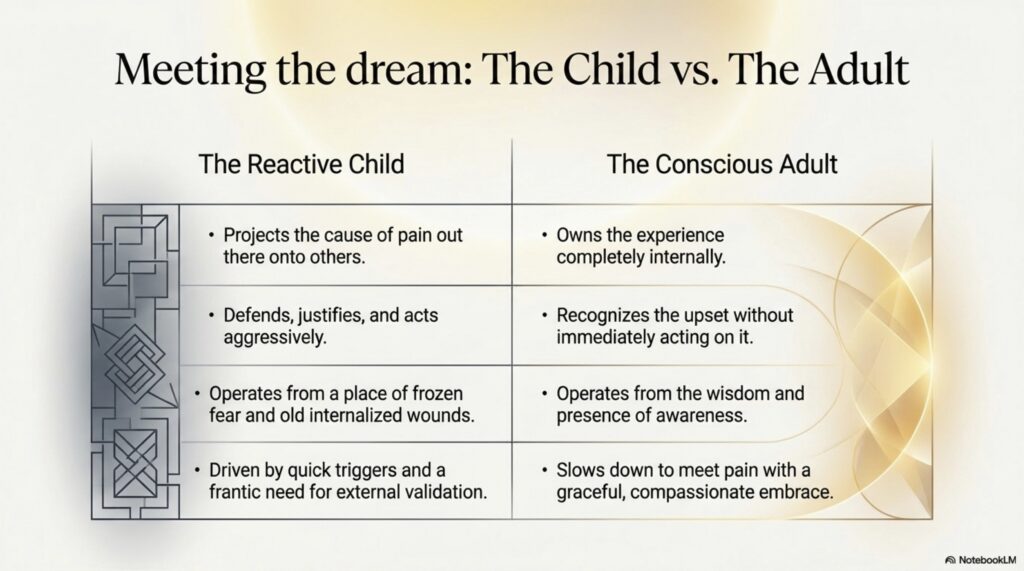
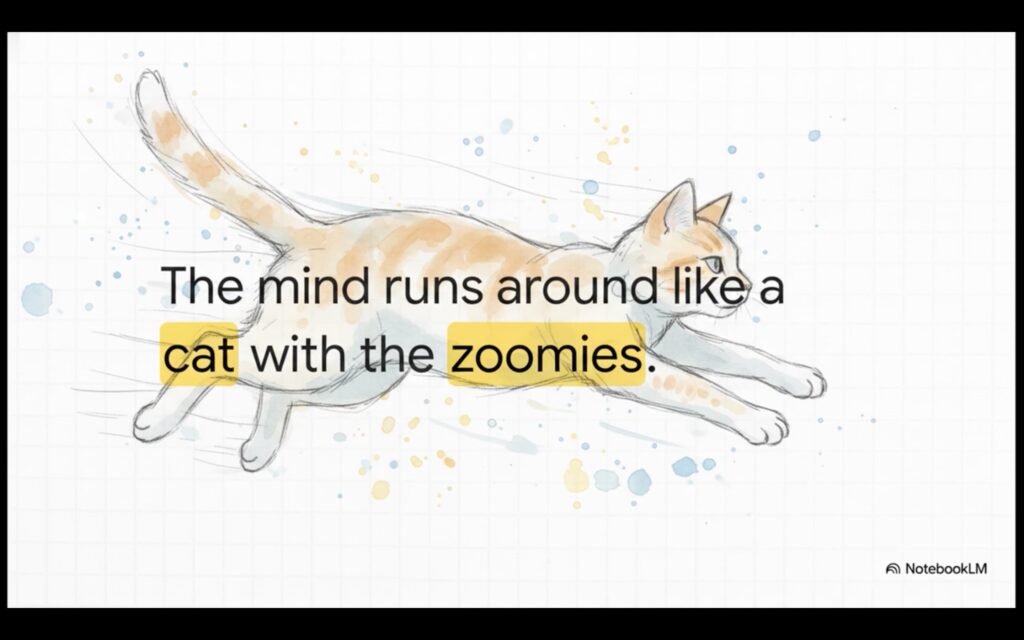
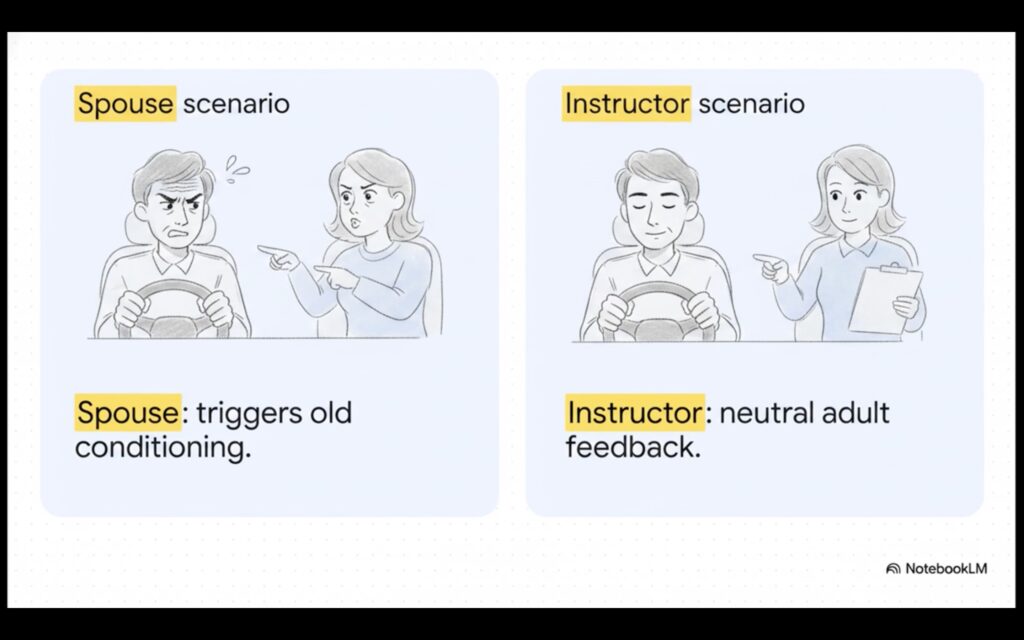
- The Nature of Reactivity: Magdi describes human conditioning as a “quick trigger” where perceptions immediately cause fear, aggression, or a sense of being frozen. He compares this reactive attention to a “cat with the zooies,” running around impulsively within awareness.
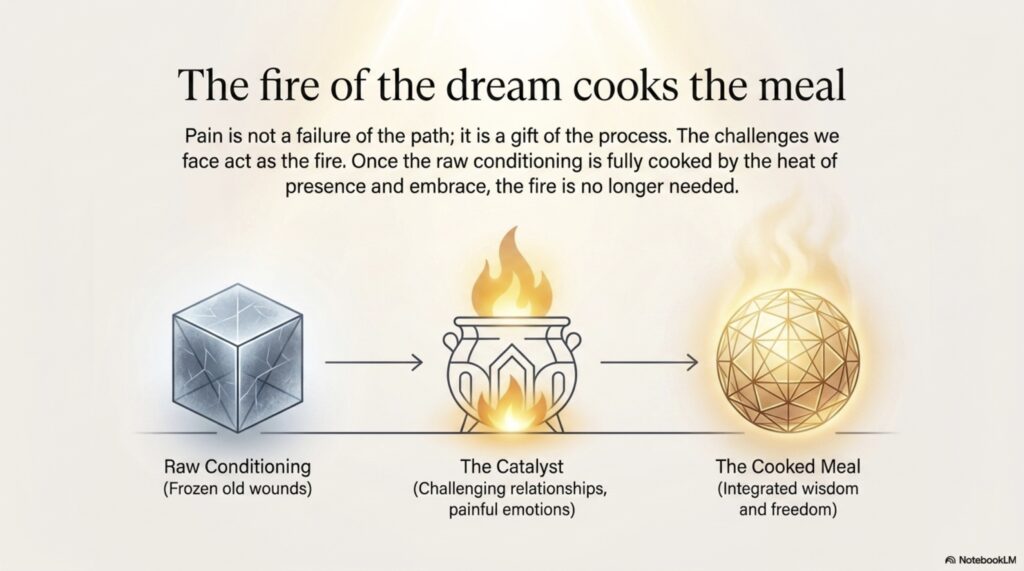
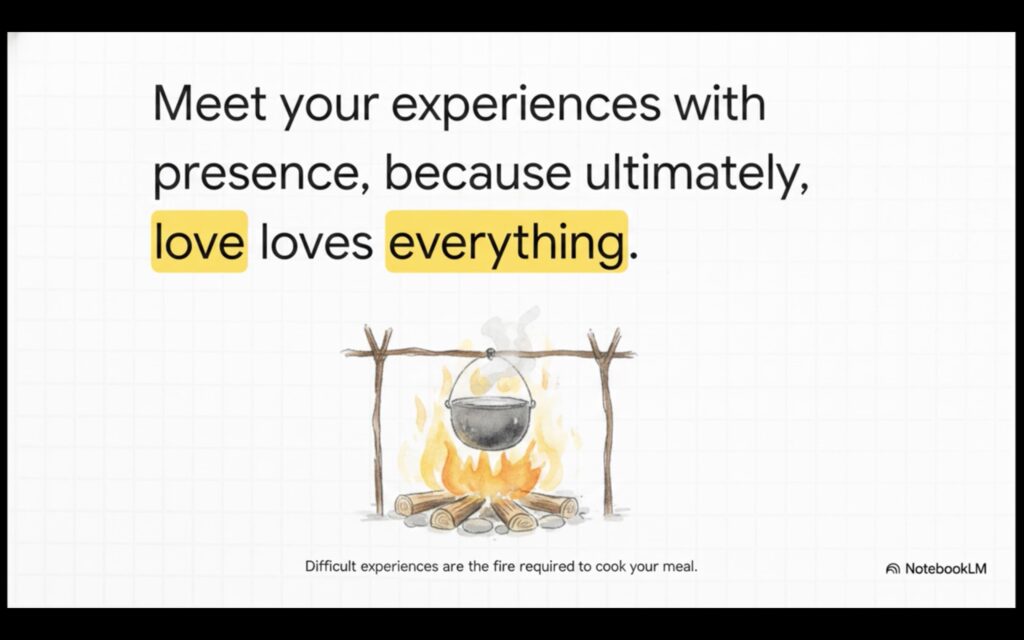
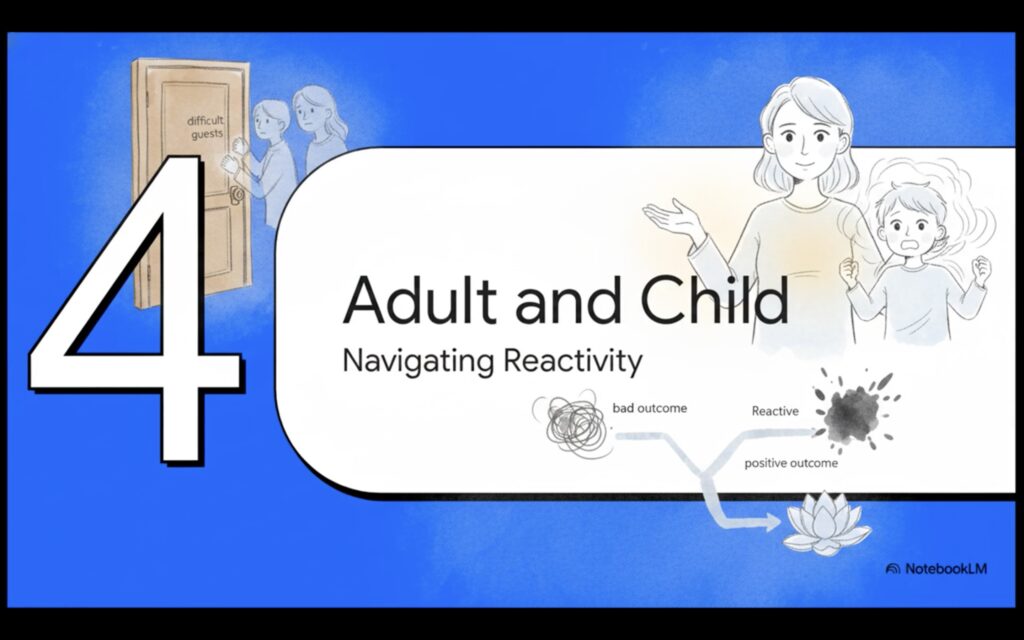
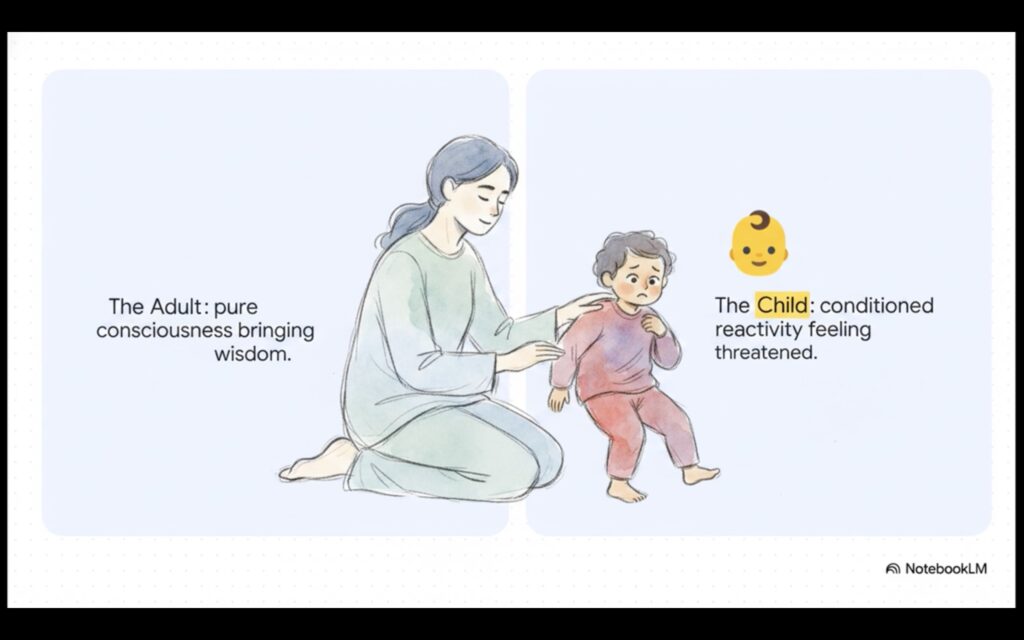
- The Adult and the Child: A central metaphor for this relationship is the Adult (Consciousness) and the Child (Conditioning/Reactivity). The Child is the part of us that feels wounded, upset, or protective, while the Adult is the healer that brings presence, wisdom, and love to those reactive states.
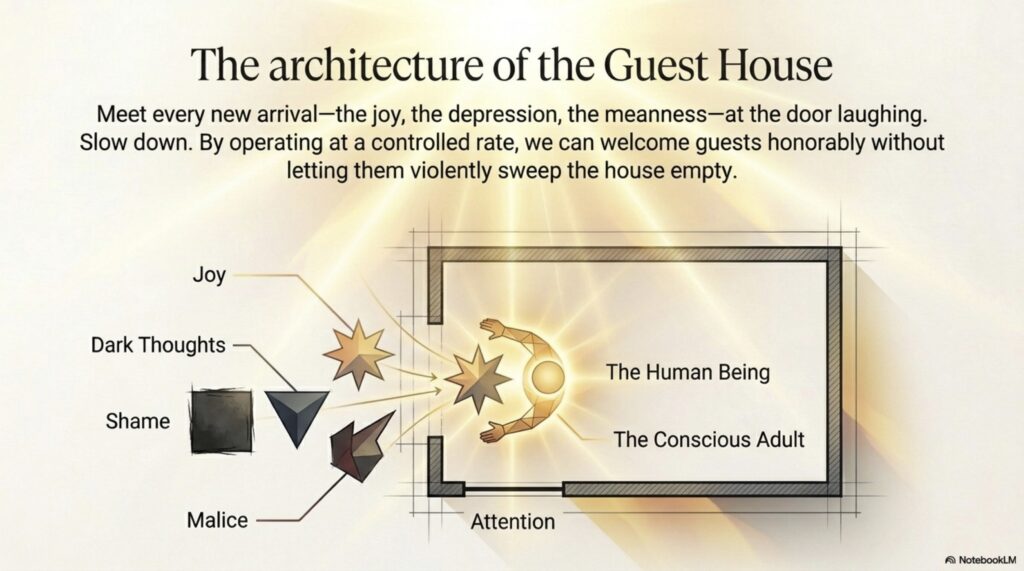
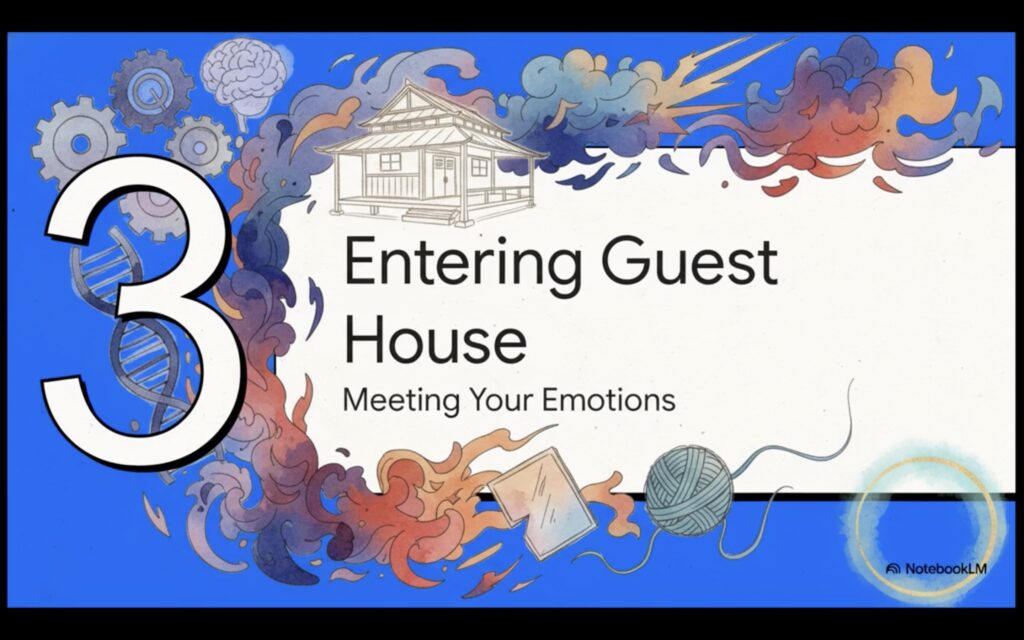
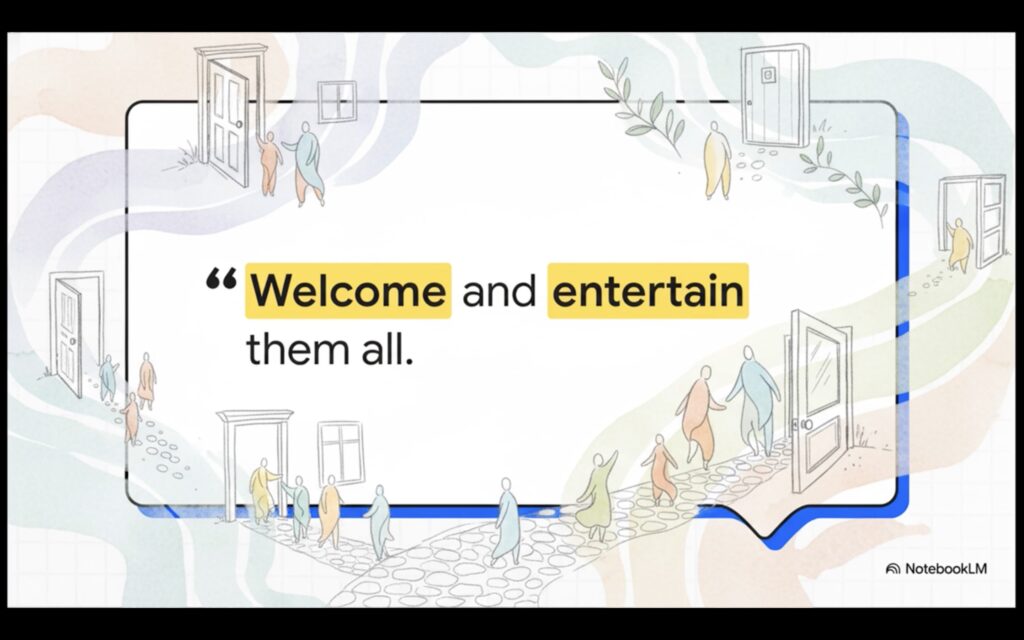
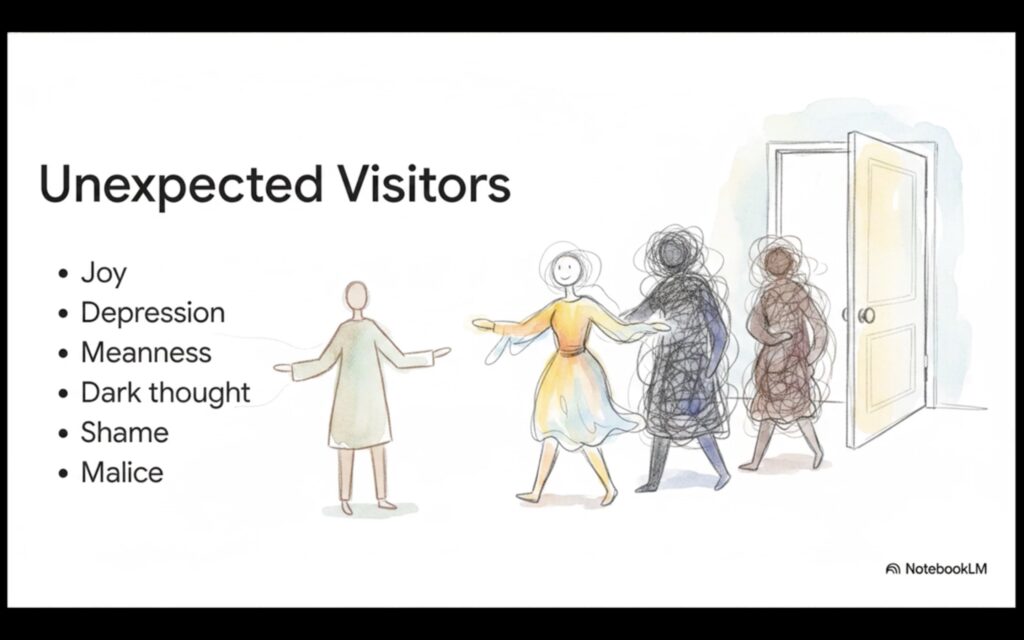
- The Guest House: Drawing on Rumi’s poem, Magdi suggests meeting every “guest”—including shame, malice, or dark thoughts—at the door with a smile and inviting them in. Reactivity is the impulse to defend or justify, while consciousness is the ability to welcome the experience without being defined by it.
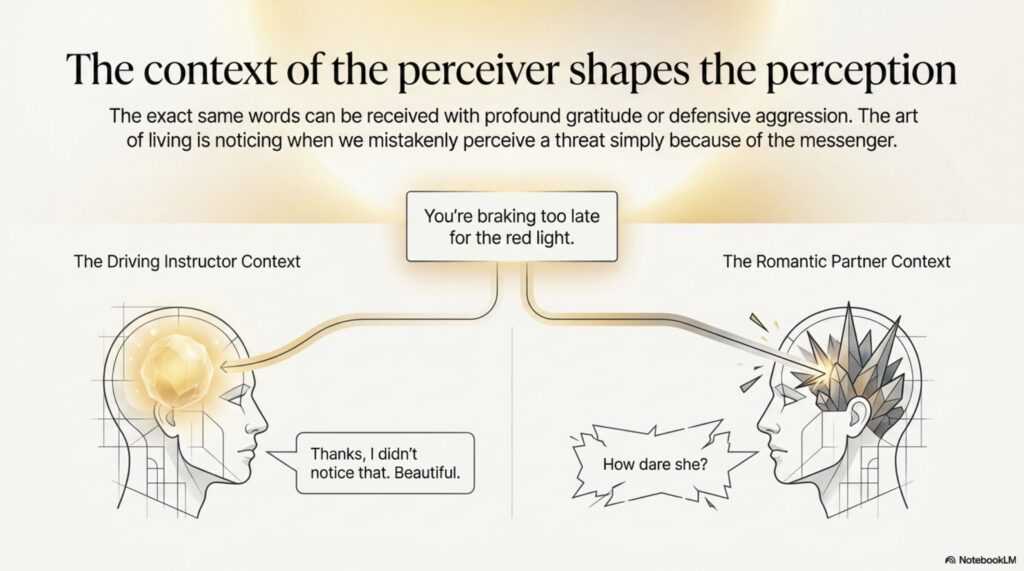
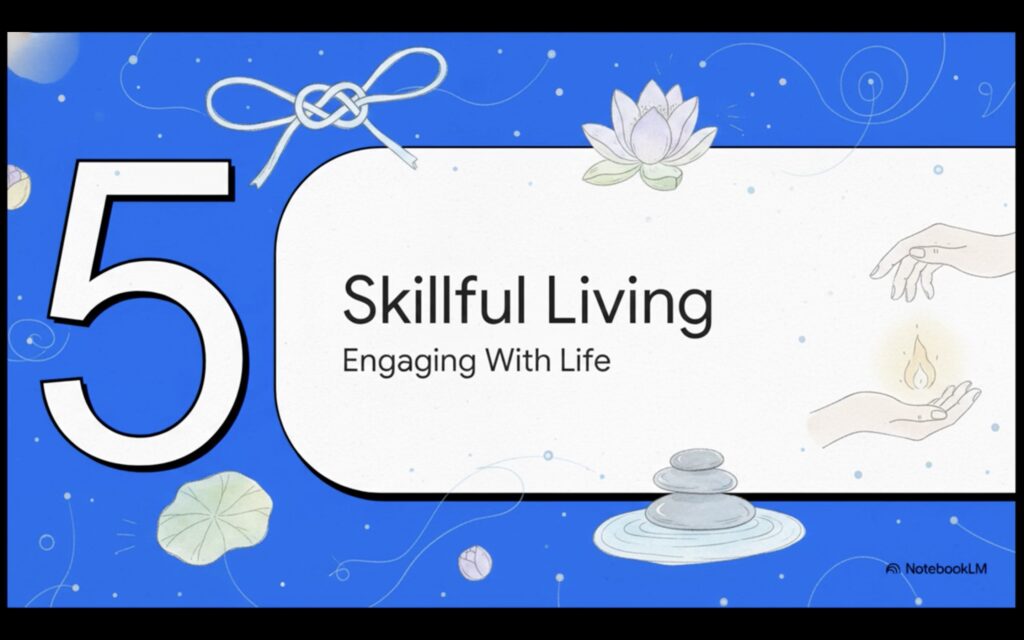
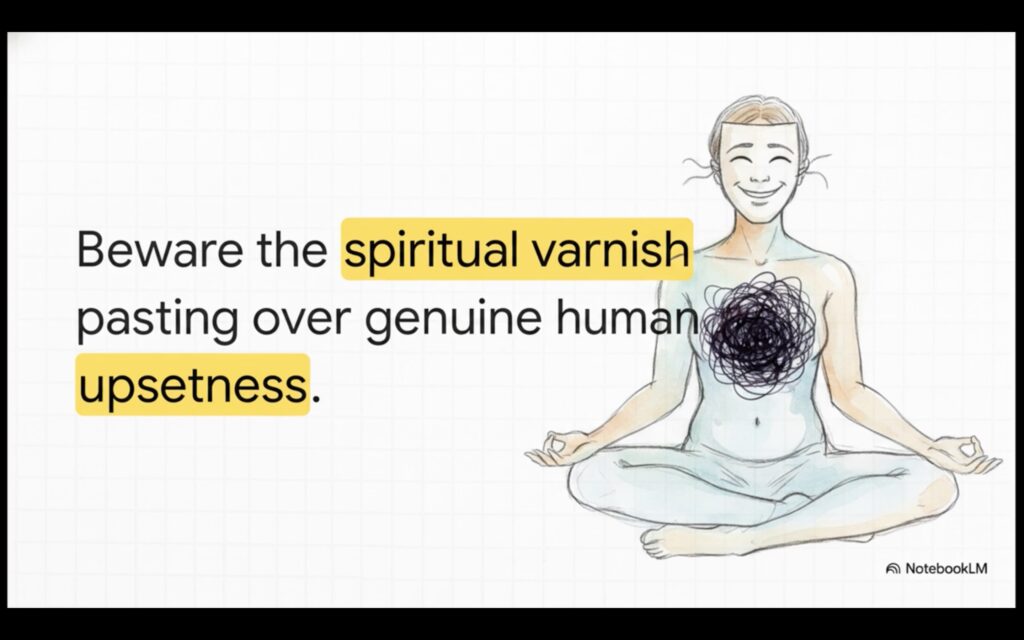
- Skillful Living: This involves the “relative understanding” of how to live in the “dream” of manifestation while knowing you are the perceiver, to whom nothing is actually happening. It is the process of recognizing an upset (like someone cutting you off in traffic) but choosing not to “spin” it into a narrative of victimhood.
Holger: Instead of getting mental indigestions from trying hard to understand this information alone in your head, join Magdi in his Satsang, and experience and understand directly the causeless peace – your true nature. “Truth is simple, the seeker is complex”:
Leave a Reply